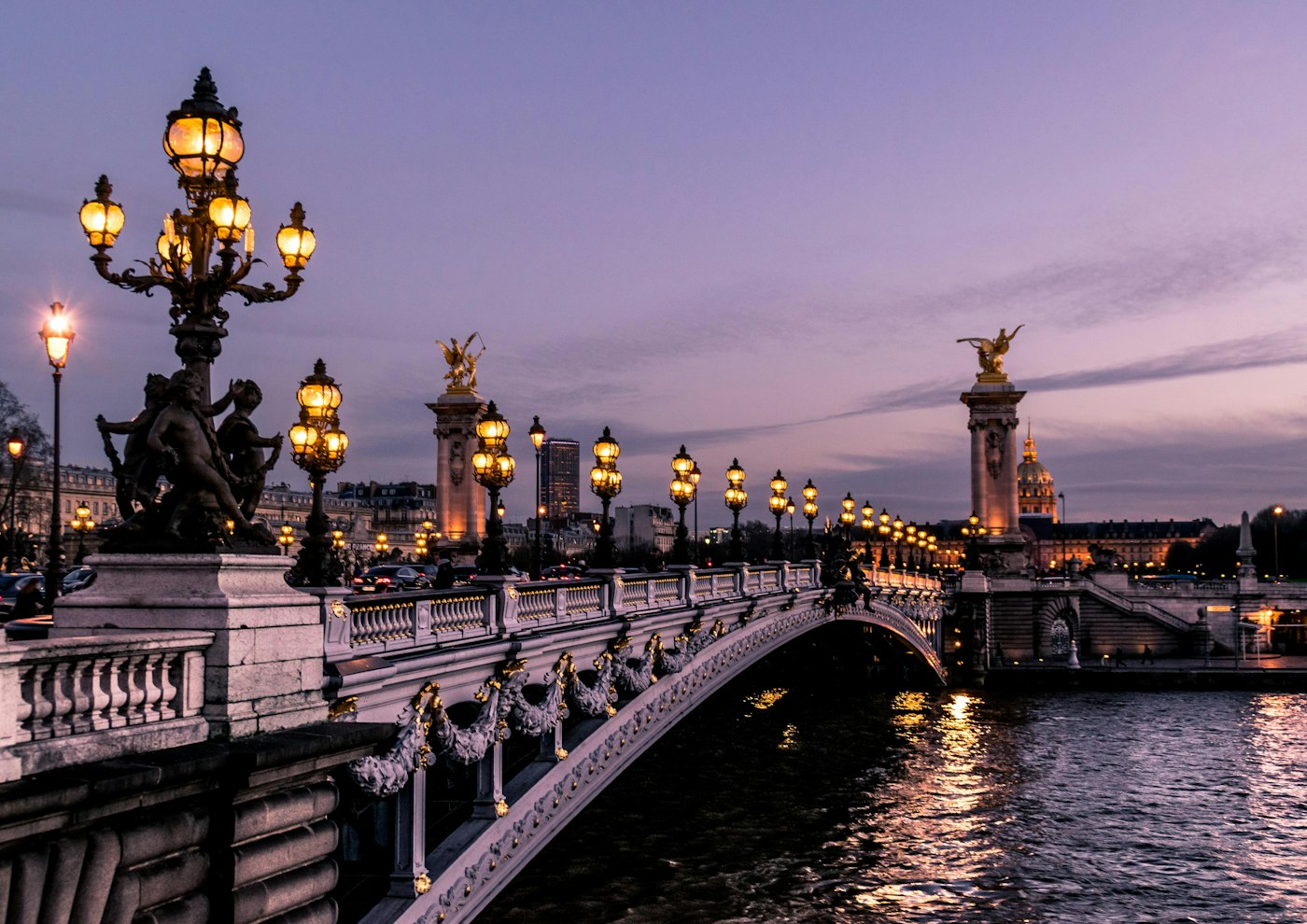

Europe in 2026 is a study in contrasts: a few places are more overrun than ever, while others — quietly spectacular — have barely made a dent in the consciousness of most travelers. After a full year of research trips across the continent, here's where I'd send you.
1. Tbilisi, Georgia
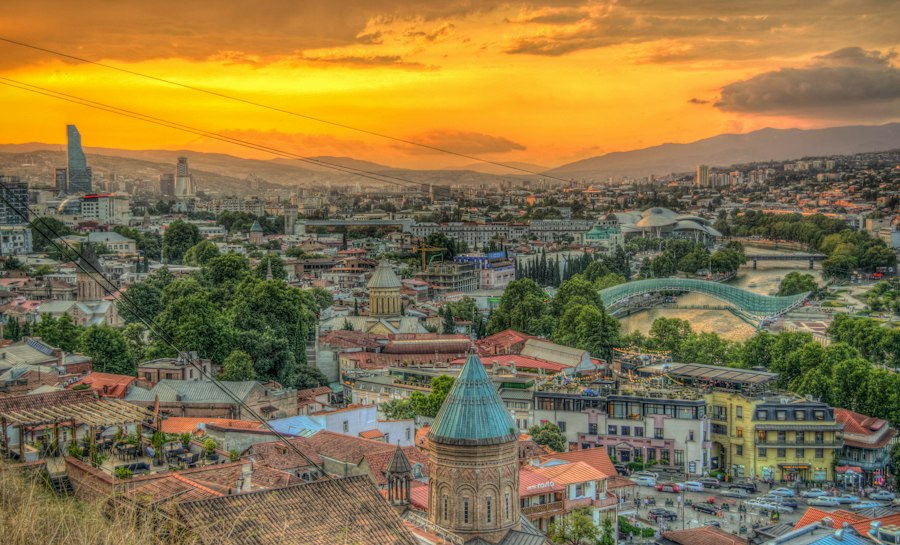
Technically in the South Caucasus — but close enough. Tbilisi in 2026 is one of Europe's most exciting cities and still genuinely affordable. The Old Town, the sulfur bathhouses, and the natural wine scene are all world-class. Budget: €50–70/day including accommodation.
2. Plovdiv, Bulgaria
Plovdiv was a European Capital of Culture a few years ago, but it still hasn't attracted the tourist volumes its quality deserves. The Old Town is a UNESCO gem, the street art scene is fantastic, and dinner for two rarely exceeds €20. A city that rewards slow travel.
3. The Azores, Portugal

São Miguel remains one of the most dramatic islands in the Atlantic — volcanic calderas, blue lagoons, whale watching, and genuine Portuguese hospitality. Getting there has become easier with more direct flights. Go before that changes.
4. Kotor, Montenegro
The Bay of Kotor is astonishing. The walled medieval city, the surrounding mountains, and the deeply blue water all conspire to make you put your camera down and just stare. It gets busy in July and August — go in May or September.
5. Ghent, Belgium
Bruges gets all the attention. Ghent gets all the substance. A proper city with a major university, three medieval towers in one skyline, incredible beer culture, and food that punches well above what most tourists expect from Belgium.
6. Sintra, Portugal
Yes, it's on everyone's list — but for good reason. The palaces and quintas scattered across Sintra's forested hills are genuinely surreal. The trick is staying overnight: once the day-trippers leave, the place becomes magical.
7. Ljubljana, Slovenia
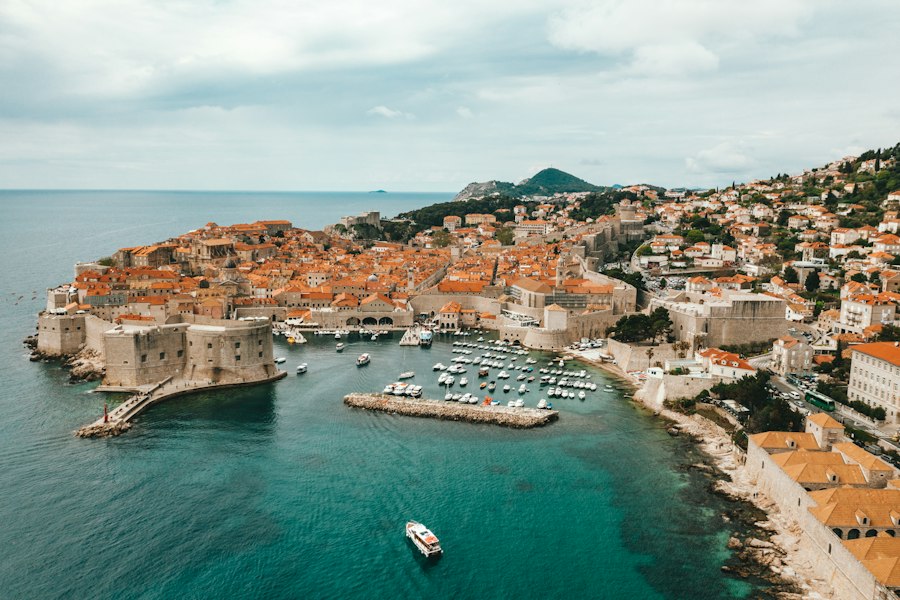
The most underrated capital in Europe. Compact, walkable, and impossibly charming — Ljubljana has a pedestrian Old Town, a castle you can walk to, and a café culture that rivals Vienna at a fraction of the cost. Lake Bled is 45 minutes away.
- Best Month to Visit EuropeMay–June or September
- Cheapest DestinationsTbilisi, Plovdiv, Kotor
- Most UnderratedGhent, Ljubljana, Plovdiv
- Best for NatureAzores, Kotor, Slovenia
- Average Daily Budget (mid-range)€80–120
How to Plan Your Europe Trip
The best approach in 2026 is to focus on one region deeply rather than trying to hit seven capitals. Pick a base — Lisbon for the west, Ljubljana for Central Europe, Tbilisi for the Caucasus — and make day trips rather than constantly moving.
Rail travel remains the most enjoyable way to move through Western and Central Europe. Book Interrail at least 3 weeks ahead for the best seat reservations, especially on high-speed lines.